
When the body fights cancer, the mind needs care.
When the body fights cancer, the mind needs care.
When the body fights cancer, the mind needs care.
Psychological care to enhance treatment outcomes and quality of life.
Psychological care to enhance treatment outcomes and quality of life.
Bincy Mathew(M.Phil)

Guided thousands of clients since 2014
Guided thousands of clients since 2014


What is Psycho-oncology
What is Psycho-oncology
What is Psycho-oncology
Tiny effort, tremendous impact.
Psycho-oncology addresses the emotional, psychological, and social challenges that come with a cancer diagnosis.
A psycho-oncologist is professionally trained to work alongside your medical team, helping you manage fear, stress, relationships, and intimacy, so you can focus on healing during your cancer journey.
Why It Matters
Why It Matters
Why It Matters
The deepest struggles lie beneath, unseen.
Early psycho-social support not only reduces distress but also addresses the deeper emotional struggles often hidden beneath the surface. What may seem manageable outwardly can mask significant psychological strain. If left unaddressed, these challenges can hinder recovery despite the best treatment intent.
Timely professional guidance ensures clarity, resilience, and better overall outcomes.

We begin where your needs begin.
We begin where your needs begin.
Sessions in English, Hindi, Tamil, and Malayalam.

Coping with the diagnosis
Therapy Focus:
Supporting emotional regulation, coping, and early adjustment to the diagnosis.
Objectives:
To help the patient and caregivers find calm in chaos through awareness & adjustment, improve understanding of information, and strengthen coping during and immediately after receiving a cancer diagnosis.

Guidance through treatment or End of lifecare
Therapy Focus:
Supporting coping, treatment compliance, and emotional regulation while navigating physical and psychosocial changes.
Objectives:
Help the patient manage treatment-related stressors, maintain function and support systems, and strengthen resilience throughout the treatment phase.

Family & caregiver support
Therapy Focus:
Strengthening caregiver wellbeing through burnout prevention, emotional support, effective communication, and family-centered counseling.
Objectives:
Support the supporters.

Transition & survivorship
Therapy Focus:
Adapting to “the new normal.” Coping with body image, fear of recurrence, redefining self and relationships.
Objectives:
Building resilience one phase at a time
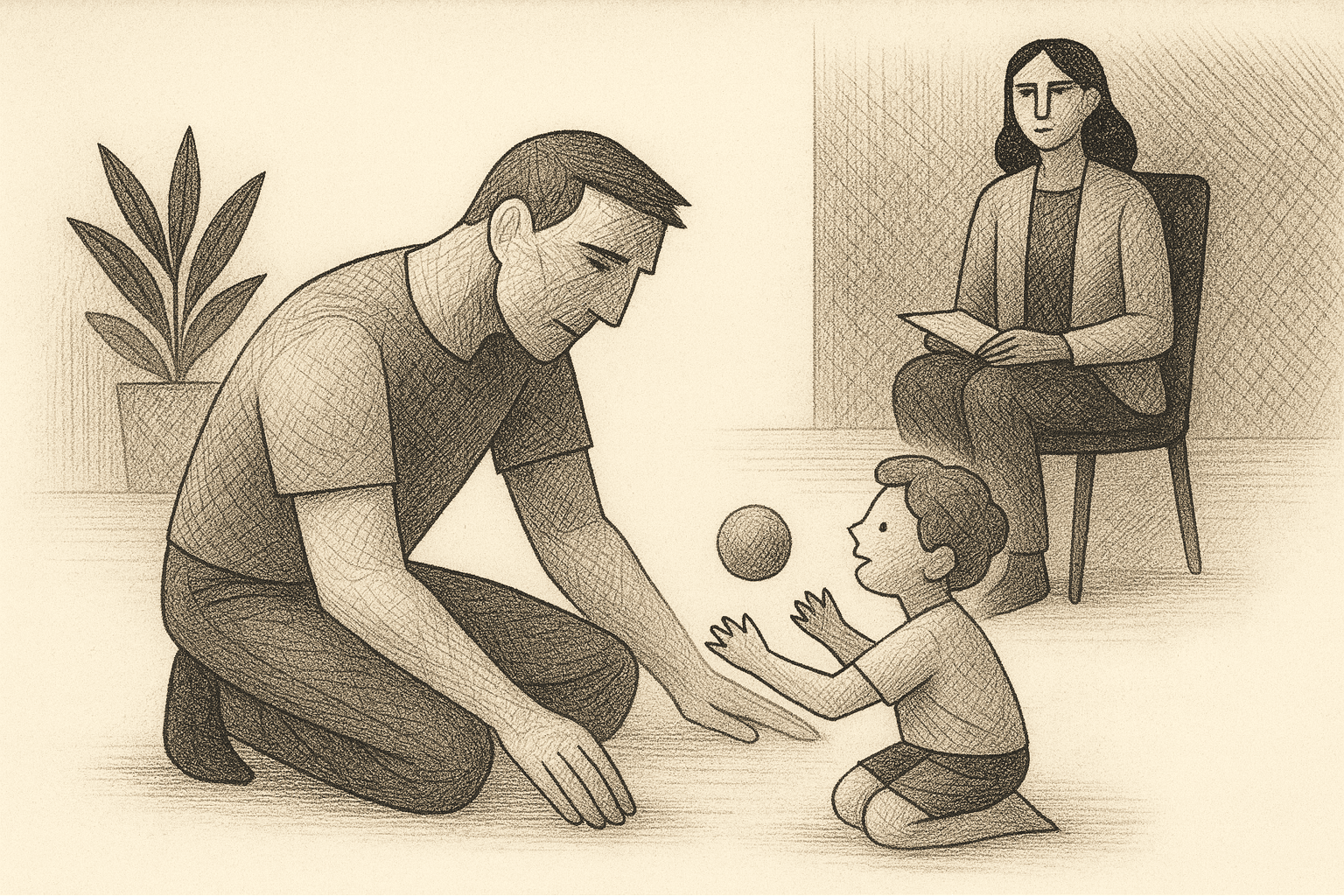
Living beyond cancer
Therapy Focus:
Helping survivors cope with fears, rebuild meaning, and establish long term healthy habits.
Objectives:
Enable survivors to live well and feel in control of their life again.

Living tobacco & alcohol Free
Therapy Focus:
Support behavior change, craving management, and motivation to maintain tobacco and alcohol free living.
Objectives:
Promote long term lifestyle change that supports health and recovery.
Coping with the diagnosis
Therapy Focus:
Supporting emotional regulation, coping, and early adjustment to the diagnosis.
Objectives:
To help the patient and caregivers find calm in chaos through awareness & adjustment, improve understanding of information, and strengthen coping during and immediately after receiving a cancer diagnosis.
Guidance through treatment or End of life care
Therapy Focus:
Supporting coping, treatment compliance, and emotional regulation while navigating physical and psychosocial changes.
Objectives:
Help the patient manage treatment-related stressors, maintain function and support systems, and strengthen resilience throughout the treatment phase.
Family & caregiver support
Therapy Focus:
Strengthening caregiver wellbeing through burnout prevention, emotional support, effective communication, and family-centered counseling.
Objectives:
Support the supporters.
Transition & survivorship
Therapy Focus:
Adapting to “the new normal.” Coping with body image, fear of recurrence, redefining self and relationships.
Objectives:
Building resilience one phase at a time
Living beyond cancer
Therapy Focus:
Helping survivors cope with fears, rebuild meaning, and establish long term healthy habits.
Objectives:
Enable survivors to live well and feel in control of their life again.
Living tobacco & alcohol Free
Therapy Focus:
Support behavior change, craving management, and motivation to maintain tobacco and alcohol free living.
Objectives:
Promote long term lifestyle change that supports health and recovery.
For in-person sessions, please book directly at Manipal Hospitals, Old Airport Road, Bangalore.
For in-person sessions, please book directly at Manipal Hospitals, Old Airport Road, Bangalore.
Frequently Asked Questions
How is psycho-oncology different from regular counseling or therapy?
It integrates psychological support with medical understanding of cancer care. The focus is on issues specific to cancer, such as fear of recurrence, treatment-related body changes, fatigue, intimacy, fertility, and meaning-making after illness.
What happens in the first session?
How many sessions will I need?
What is the fee for each session?
What if I need to cancel or reschedule?
Wall of Love
Your words of kindness light my path.
Your words of kindness light my path.
"I recommend it highly to anyone seeking help."
I have taken therapy sessions with Bincy Matthew through my cancer journey.
I believe she made my journey easier by sharing her experience and tips/ exercises to practice. Each session left me with hope and positivity.
Thank you Bincy!

Purti Trehan
Patient
"Glad we met you and shared these sweet moments in our life"
I met Bincy during my sister's treatment. Everytime my sister felt low she always wanted to talk to Bincy. Sometimes things didn't seem to be as expected but everytime we met her she made us feel happy, my sister was so impressed that she wanted to be like her and considered her to be the role model. Hope you continue this to support people having tough time. ❤️

Christina Joyce
Caregiver
"You brought hope and calm, thank you…"
After getting in touch with Ms. Bincy through onco.com, my father overcame stress and anxiety and gained positivity. She taught him breathing and mind-relaxing exercises, which really helped during his tough time.
We are truly thankful to Ms. Bincy and onco.com for their kind support and guidance.
Ritu Shaw
Caregiver
"You are indeed a star. Wish you best of luck."
I would like to express my gratitude and thanks for the yeoman services you provided me as my counsellor for smoking secession at Manipal Hospital, New Delhi. You are a great listener and at the same time you empathise with your patients. Every time I interacted with you, I felt hopeful and determined in kicking my smoking habit. A hundred salutes to you ma'am.
Arun Malik
Client (tobacco cessation)
Share Your Experience!
Have you taken the service? Share words that inspire others.
"Noticeable Improvement Every Session"
These sessions have genuinely helped me feel better each time, especially through effective breathing and mindfulness exercises.
The positive impact is always noticeable, whether subtle or significant, and I consistently leave feeling better than when I started.
R. Dutta
Patient
"I highly recommend her services for those seeking relief from illness and grief."
Bincy Matthew is a very kind and supportive therapist. When my sister was going through her cancer treatment, it was a very difficult time. Bincy provided courage for her and the entire family.
Thank you Bincy!
Bharathi Reddy
Caregiver
"I recommend it highly to anyone seeking help."
I have taken therapy sessions with Bincy Matthew through my cancer journey.
I believe she made my journey easier by sharing her experience and tips/ exercises to practice. Each session left me with hope and positivity.
Thank you Bincy!
Purti Trehan
Patient
"Glad we met you and shared these sweet moments in our life"
I met Bincy during my sister's treatment. Everytime my sister felt low she always wanted to talk to Bincy. Sometimes things didn't seem to be as expected but everytime we met her she made us feel happy, my sister was so impressed that she wanted to be like her and considered her to be the role model. Hope you continue this to support people having tough time. ❤️
Christina Joyce
Caregiver
"You brought hope and calm, thank you…"
After getting in touch with Ms. Bincy through onco.com, my father overcame stress and anxiety and gained positivity. She taught him breathing and mind-relaxing exercises, which really helped during his tough time.
We are truly thankful to Ms. Bincy and onco.com for their kind support and guidance.
Ritu Shaw
Caregiver
"You are indeed a star. Wish you best of luck."
I would like to express my gratitude and thanks for the yeoman services you provided me as my counsellor for smoking secession at Manipal Hospital, New Delhi. You are a great listener and at the same time you empathise with your patients. Every time I interacted with you, I felt hopeful and determined in kicking my smoking habit. A hundred salutes to you ma'am.
Arun Malik
Client (tobacco cessation)
Share Your Experience!
Have you taken the service? Share words that inspire others.
"Noticeable Improvement Every Session"
These sessions have genuinely helped me feel better each time, especially through effective breathing and mindfulness exercises.
The positive impact is always noticeable, whether subtle or significant, and I consistently leave feeling better than when I started.
R. Dutta
Patient
"I highly recommend her services for those seeking relief from illness and grief."
Bincy Matthew is a very kind and supportive therapist. When my sister was going through her cancer treatment, it was a very difficult time. Bincy provided courage for her and the entire family.
Thank you Bincy!
Bharathi Reddy
Caregiver
"We help you find your pace to move forward even on the hardest days."
"All conversations are private and protected."
"No one rehearses for cancer, we’re here when it’s real."
"We help you find your pace to move forward even on the hardest days."
"All conversations are private and protected."
"No one rehearses for cancer, we’re here when it’s real."
"We help you find your pace to move forward even on the hardest days."
"All conversations are private and protected."
"No one rehearses for cancer, we’re here when it’s real."
"We help you find your pace to move forward even on the hardest days."
"All conversations are private and protected."
"No one rehearses for cancer, we’re here when it’s real."

Bincy Mathew
Psycho-oncologist
Empowering patients & caregivers through knowledge, support and care.
Common Concerns During the Cancer Journey
Emotional and Mood Related
Anxiety
Generalised worry
Panic attacks
Sadness and low mood
Clinical depression
Irritability and anger
Emotional numbness
Grief and sense of loss
Mood swings
Suicidal Ideation
Illness-Related Fears
Fear of diagnosis
Fear of treatment procedures
Fear of pain
Fear of dependency
Fear of cancer recurrence or progression
Fear of death and dying
Fear of losing control
Fear of becoming a burden
Body Image and Identity Issues
Negative body image
Changes in self-esteem
Feeling unattractive or incomplete
Loss of identity linked to roles, work, relationships
Distress due to hair loss, scars, amputations, stomas
Cognitive and Thought Related
Difficulty concentrating
Memory problems
“Chemo brain” or cognitive fog
Rumination
Catastrophic thinking
Difficulty making decisions
Sexual Health and Intimacy Issues
Reduced desire
Painful intercourse
Sexual dysfunction due to treatment
Fear of intimacy
Changes in partner dynamics
Loss of sexual identity
Behavioural and Adaptation Difficulties
Avoidance of hospitals or treatment
Social withdrawal
Sleep disturbances
Appetite changes
Reduced motivation
Poor treatment adherence
Relationship and Social Issues
Loneliness and social isolation
Strain in marital or family relationships
Communication difficulties with partners or children
Role changes within the family
Feeling misunderstood or unsupported
Loss of social confidence
Financial and Practical Stress
Financial strain
Employment worries
Loss of independence
Difficulty managing daily tasks
Transportation and caregiving challenges
Spiritual and Existential Concerns
Questioning meaning and purpose
Loss of faith or spiritual crisis
Searching for meaning in illness
Existential distress
Concerns about legacy
Treatment and Hospital Related
Distress about long treatment pathways
Fear of procedures or medical equipment
Feeling overwhelmed by medical information
Uncertainty about prognosis
Traumatic hospital experiences
Hopelessness due to side effects
Survivorship Issues
Fear of recurrence
Difficulty returning to “normal life”
Survivorship guilt
Loss of identity post treatment
Persistent fatigue and its psychological impact
End of Life Psychological Issues (if applicable)
Acceptance and denial
Anxiety about death
Loss of autonomy
Grief about unfinished life goals
Concerns for family after death
Ready to take the first step?
Online sessions are available in English, Hindi, Tamil, and Malayalam.
Common Concerns
During the Cancer Journey
Emotional and Mood Related
Anxiety
Generalised worry
Panic attacks
Sadness and low mood
Clinical depression
Irritability and anger
Emotional numbness
Grief and sense of loss
Mood swings
Suicidal Ideation
Illness-Related Fears
Fear of diagnosis
Fear of treatment procedures
Fear of pain
Fear of dependency
Fear of cancer recurrence or progression
Fear of death and dying
Fear of losing control
Fear of becoming a burden
Body Image and Identity Issues
Negative body image
Changes in self-esteem
Feeling unattractive or incomplete
Loss of identity linked to roles, work, relationships
Distress due to hair loss, scars, amputations, stomas
Cognitive and Thought Related
Difficulty concentrating
Memory problems
“Chemo brain” or cognitive fog
Rumination
Catastrophic thinking
Difficulty making decisions
Sexual Health and Intimacy Issues
Reduced desire
Painful intercourse
Sexual dysfunction due to treatment
Fear of intimacy
Changes in partner dynamics
Loss of sexual identity
Behavioural and Adaptation Difficulties
Avoidance of hospitals or treatment
Social withdrawal
Sleep disturbances
Appetite changes
Reduced motivation
Poor treatment adherence
Relationship and Social Issues
Loneliness and social isolation
Strain in marital or family relationships
Communication difficulties with partners or children
Role changes within the family
Feeling misunderstood or unsupported
Loss of social confidence
Financial and Practical Stress
Financial strain
Employment worries
Loss of independence
Difficulty managing daily tasks
Transportation and caregiving challenges
Spiritual and Existential Concerns
Questioning meaning and purpose
Loss of faith or spiritual crisis
Searching for meaning in illness
Existential distress
Concerns about legacy
Treatment and Hospital Related
Distress about long treatment pathways
Fear of procedures or medical equipment
Feeling overwhelmed by medical information
Uncertainty about prognosis
Traumatic hospital experiences
Hopelessness due to side effects
Survivorship Issues
Fear of recurrence
Difficulty returning to “normal life”
Survivorship guilt
Loss of identity post treatment
Persistent fatigue and its psychological impact
End of Life Psychological Issues (if applicable)
Acceptance and denial
Anxiety about death
Loss of autonomy
Grief about unfinished life goals
Concerns for family after death
Common Concerns During the Cancer Journey
Emotional and Mood Related
Anxiety
Generalised worry
Panic attacks
Sadness and low mood
Clinical depression
Irritability and anger
Emotional numbness
Grief and sense of loss
Mood swings
Suicidal Ideation
Illness-Related Fears
Fear of diagnosis
Fear of treatment procedures
Fear of pain
Fear of dependency
Fear of cancer recurrence or progression
Fear of death and dying
Fear of losing control
Fear of becoming a burden
Body Image and Identity Issues
Negative body image
Changes in self-esteem
Feeling unattractive or incomplete
Loss of identity linked to roles, work, relationships
Distress due to hair loss, scars, amputations, stomas
Cognitive and Thought Related
Difficulty concentrating
Memory problems
“Chemo brain” or cognitive fog
Rumination
Catastrophic thinking
Difficulty making decisions
Sexual Health and Intimacy Issues
Reduced desire
Painful intercourse
Sexual dysfunction due to treatment
Fear of intimacy
Changes in partner dynamics
Loss of sexual identity
Behavioural and Adaptation Difficulties
Avoidance of hospitals or treatment
Social withdrawal
Sleep disturbances
Appetite changes
Reduced motivation
Poor treatment adherence
Relationship and Social Issues
Loneliness and social isolation
Strain in marital or family relationships
Communication difficulties with partners or children
Role changes within the family
Feeling misunderstood or unsupported
Loss of social confidence
Financial and Practical Stress
Financial strain
Employment worries
Loss of independence
Difficulty managing daily tasks
Transportation and caregiving challenges
Spiritual and Existential Concerns
Questioning meaning and purpose
Loss of faith or spiritual crisis
Searching for meaning in illness
Existential distress
Concerns about legacy
Treatment and Hospital Related
Distress about long treatment pathways
Fear of procedures or medical equipment
Feeling overwhelmed by medical information
Uncertainty about prognosis
Traumatic hospital experiences
Hopelessness due to side effects
Survivorship Issues
Fear of recurrence
Difficulty returning to “normal life”
Survivorship guilt
Loss of identity post treatment
Persistent fatigue and its psychological impact
End of Life Psychological Issues (if applicable)
Acceptance and denial
Anxiety about death
Loss of autonomy
Grief about unfinished life goals
Concerns for family after death
©2025 psychooncology.in All rights reserved.
©2025 psychooncology.in All rights reserved.
10+ years of service
2k+ Clients guided
4 Languages offered